
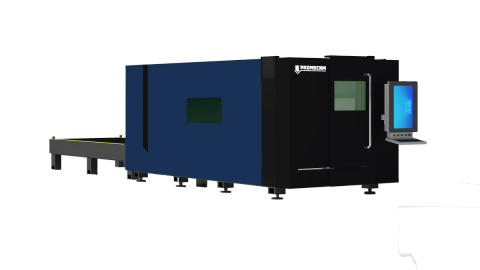
Sheet Laser Cutters
Promecam 3015 — Sheet Laser Cutters
Quote only
Promecam
- Laser power
- 3,000–20,000 W
- Bed width
- 1,515–1,530 mm
4 models in this range
Sheet metal fibre lasers, entry formats to high-power full-cover — supplied & supported by A1.
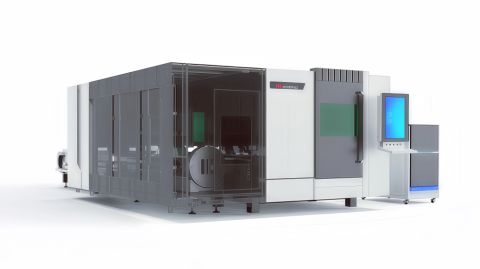
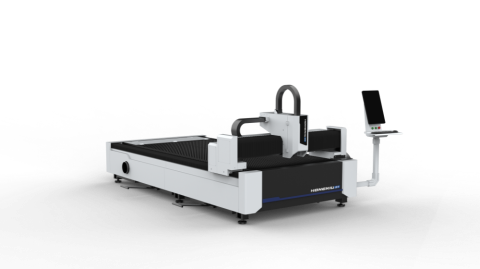
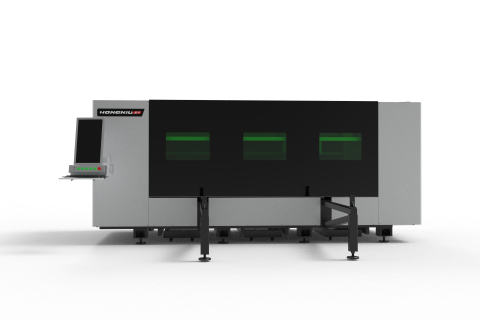
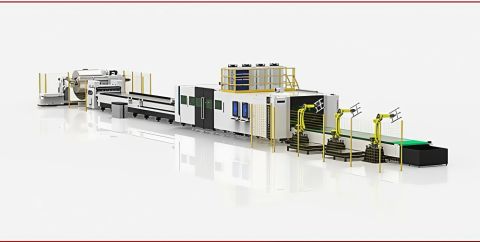
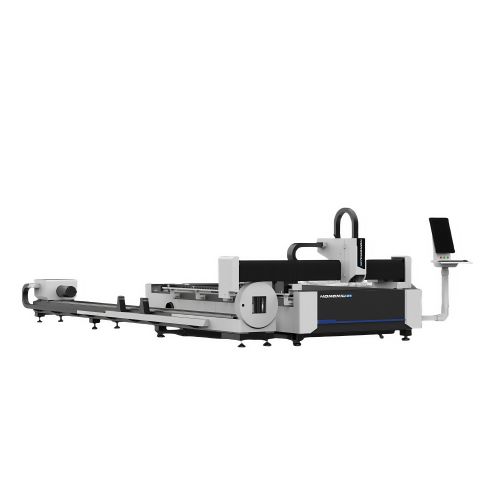
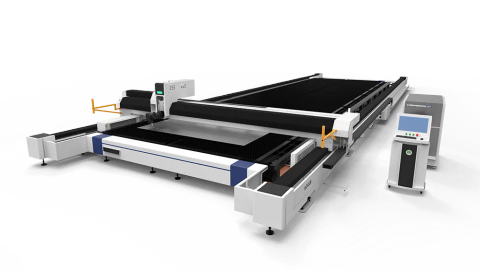
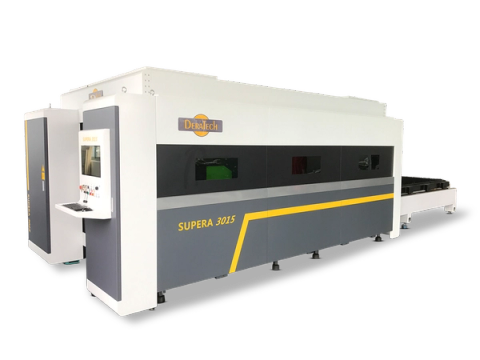
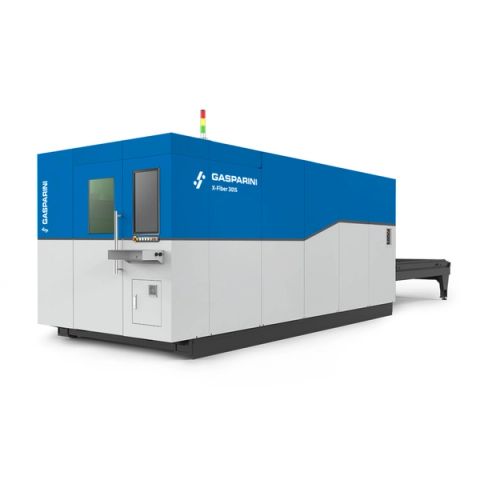
A fibre laser is how a shop stops paying someone else's margin on cutting. A1 supplies flat-bed fibre laser cutting machines from standard 3015-format beds up to large-format and high-power full-cover machines — and installs, commissions and services them, locally.
Sheet Laser Cutters
Quote only
Promecam
4 models in this range
Sheet Laser Cutters
Quote only
Promecam
4 models in this range
Sheet Laser Cutters
Quote only
Promecam
4 models in this range
Sheet Laser Cutters
Quote only
Promecam
4 models in this range
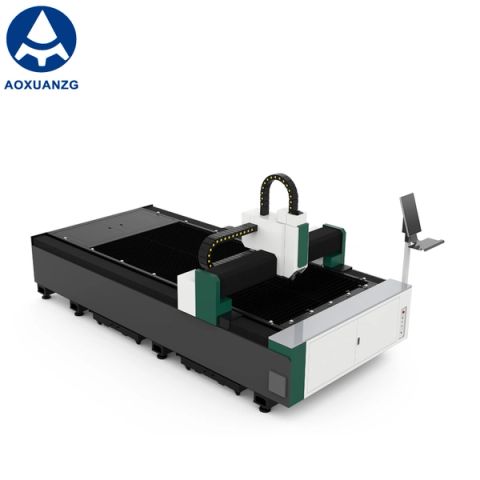
Sheet Laser Cutters
Quote only
Aoxuan
4 models in this range
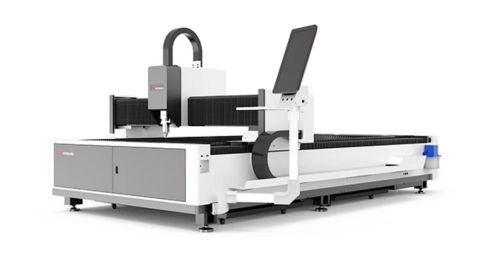
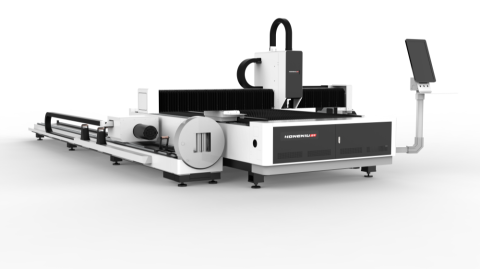
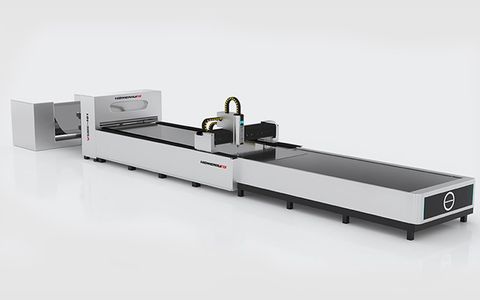
Sheet Laser Cutters
Quote only
HongNiu
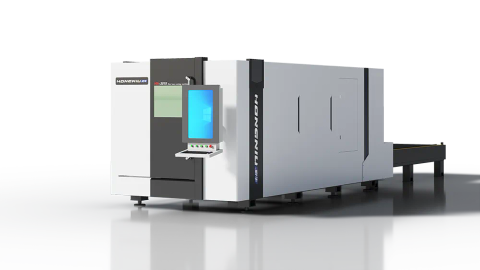
Sheet Laser Cutters
Quote only
HongNiu
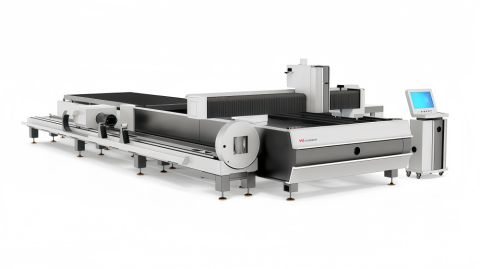
Sheet Laser Cutters
Quote only
HongNiu
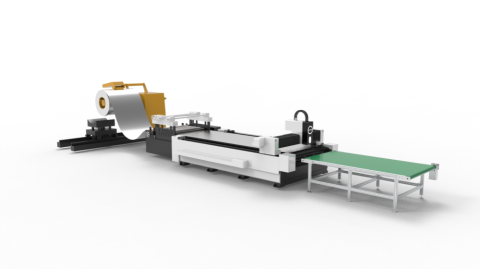
Sheet Laser Cutters
Quote only
Promecam
4 models in this range
Sheet Laser Cutters
Quote only
Deratech
3 models in this range
Sheet Laser Cutters
Quote only
Gasparini
4 models in this range
The cutting is the part that works on day one. What separates a good laser purchase from a stranded one is everything around it: siting and power, assist gas, extraction, operator training, nesting software, and someone who answers when it stops cutting clean. That's the half A1 supplies with the machine — hands-on across SE Queensland, remote diagnostics anywhere in Australia. A1 also supplies 3YO's cutting-table consumables, which keep slag from building up on the slats.
Bed size first, power second: pick the bed that fits your sheet (3015 takes a standard 3000×1500 sheet; 4020 and 6025 step up from there), then the kilowatts that suit your thickness range. A guillotine still earns its keep beside a laser for straight blanks — the laser is for profiles.
Comfortably, around 12–16 mm mild steel in production, with a maximum near 20 mm; roughly 10–12 mm stainless and 8–10 mm aluminium. Assist gas matters — oxygen for carbon steel, nitrogen for stainless and aluminium — and edge-quality requirements shift the real-world numbers.
As a rough guide: entry imported machines from somewhere around $50k landed, mid-range 3–6 kW machines typically low-to-mid six figures, premium European brands well beyond that. The listing price never includes freight, installation, gas plumbing, training or service — ask for the landed, running number. A1 quotes it that way.
Laser for precision, clean edges and thin-to-mid plate; plasma for lower cost and thick plate. The crossover sits around 20–30 mm and your tolerance requirements. Plenty of shops run both — plasma for heavy blanks, laser for everything the customer sees.
Less than most owners expect — power, assist gas and consumables like nozzles and protective lenses. Nitrogen cutting costs more per hour than oxygen. Fibre sources are rated around 100,000 hours with no laser gas or mirror alignment, which is why fibre has replaced CO2 for sheet metal.
Start with the cheap suspects: nozzle condition and centring, a contaminated protective lens, focus position, and gas purity or pressure — then speed and power settings for the material. If it's none of those, that's a service call; A1 diagnoses remotely by VPN before anyone travels.
Already running one? A1 services what it sells — machinery service, repair & diagnostics.
New press brakes, guillotines and lasers, supplied Australia-wide. Service, repair and breakdown support across SE Queensland, fly-in interstate and remote.